Bringing Playfulness to Life: The Versatile Appeal of the Funny Happy Display Font
In a digital landscape dominated by clean lines, minimalism, and sterile corporate typography, there exists a vibrant niche where personality takes center stage. For designers, educators, and business owners looking to inject genuine joy into their visual communication, Funny Happy has emerged as a standout choice. This is not merely a typeface; it is a tool for emotional connection. It embodies playfulness and authenticity, serving as the perfect choice for any children activity or school project, yet its utility extends far beyond the classroom walls.
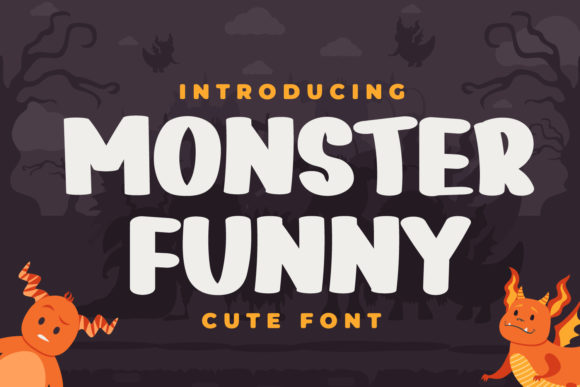
The modern creator understands that typography does more than convey information; it sets the tone. When you add this chunky lettered font to your designs, you notice how it makes them come alive. Whether you are crafting a marketing campaign for a toy store, designing a curriculum for early childhood education, or simply creating a fun social media post, the unique characteristics of this font can transform a standard layout into an engaging experience.
The Core Characteristics of a Joyful Typeface
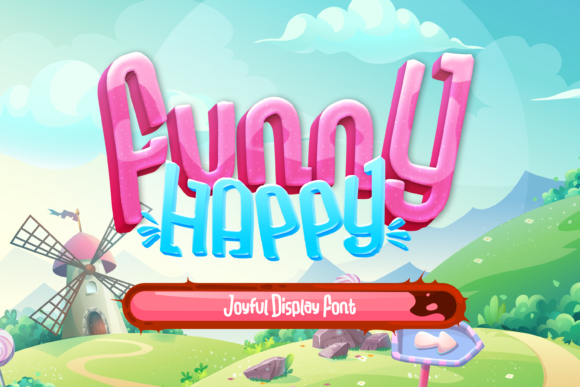
To understand why Funny Happy resonates so strongly with such a diverse audience, one must first look at its structural DNA. Unlike traditional serif or sans-serif fonts that prioritize strict grid alignment and uniformity, this display font embraces irregularity. The letters appear hand-drawn, possessing a slight wobble and organic curvature that mimics the natural movement of a marker on paper.
- Chunky Proportions: The weight of the strokes is substantial, giving every character a bold presence on the page. This ensures high visibility even from a distance, making it ideal for signage and large-format prints.
- Playful Geometry: The shapes are rounded and soft, avoiding sharp angles that might feel aggressive. This geometric softness subconsciously signals safety and friendliness to the viewer.
- Authentic Texture: While digital in nature, the font retains a texture that suggests human touch. This authenticity is crucial in an era where consumers are increasingly skeptical of overly polished, AI-generated content.
These characteristics combine to create a visual language that speaks directly to the heart. It is not trying to be serious or authoritative; instead, it invites the reader to relax and engage with the content on a lighter level.
Applications Across Professional Sectors
While the name suggests a primary use case in early education, the versatility of Funny Happy allows it to serve professionals in marketing, branding, and creative arts just as effectively. The key lies in understanding the context in which the font is deployed.
Educational Environments and Child-Centric Projects
The most obvious application remains within the realm of education. Teachers and homeschooling parents often struggle to find materials that capture the attention of young learners without being visually overwhelming. This font bridges that gap perfectly. When used for worksheets, flashcards, or classroom posters, it creates an atmosphere of excitement rather than obligation.
Consider a school project where students are learning about animals. A title written in a standard Arial font feels academic and distant. However, when the same title is rendered in this chunky, playful style, it transforms the assignment into an adventure. It signals to the child that learning is meant to be fun. Furthermore, for children's activity books, coloring pages, and interactive games, the legibility combined with the whimsical shape helps maintain engagement over longer periods.
Marketing and Brand Identity
Business owners often hesitate to use "fun" fonts, fearing they might undermine their professional credibility. However, in today's economy, brands that can show a human side often outperform those that remain stoic. Companies selling toys, snacks, pet supplies, or family-oriented services can leverage this font to differentiate themselves from competitors who rely on generic corporate typefaces.
A bakery using this font for a weekend special menu immediately communicates warmth and homemade quality. A tech company launching a new app for kids can use it to signal that their product is safe and entertaining. The font acts as a visual shorthand for "approachable," helping to lower the barrier to entry for potential customers who might otherwise feel intimidated by complex jargon or stiff imagery.
Digital Content and Social Media
For creators and influencers, attention spans are shorter than ever. Visuals need to stop the scroll. Using Funny Happy in Instagram stories, YouTube thumbnails, or blog headers can significantly increase click-through rates. The distinct shape of the letters stands out against the clutter of standard web typography. It adds a layer of personality that text-only platforms often lack.
Moreover, the font works exceptionally well for call-to-action buttons. Instead of a flat "Sign Up" button, a header saying "Let's Get Started!" in this style encourages participation through sheer enthusiasm.
Why Authenticity Matters in Design
We live in an age where digital perfection can sometimes feel cold. Algorithms generate images, and templates dictate layouts. In response, there is a growing consumer demand for authenticity. People want to feel like they are interacting with real humans, not faceless corporations. This is where the specific qualities of Funny Happy become a strategic asset.
The font's design philosophy rejects the rigid precision of vector perfection in favor of a more organic aesthetic. This imperfection is what makes it authentic. When a user sees a document or a website utilizing this typeface, they subconsciously register that someone took the time to choose something different. They perceive effort and care. This psychological effect builds trust.
For researchers studying consumer behavior, the correlation between "hand-drawn" aesthetics and perceived trustworthiness is well-documented. By incorporating a font that mimics handwriting but maintains the durability of a digital display, designers can tap into this positive bias. It suggests that the brand behind the message values creativity and individuality.
Practical Considerations for Implementation
While the benefits are clear, successful implementation requires a thoughtful approach. Typography is rarely used in isolation; it works best when paired correctly with other design elements. To get the most out of this font, consider the following guidelines.
- Pairing Strategy: Because Funny Happy is a display font with strong personality, it should generally be reserved for headlines, titles, and short phrases. For body text, pair it with a clean, neutral sans-serif font. This contrast ensures readability while maintaining the playful vibe in the headings.
- Color Selection: The impact of the font is amplified when combined with bright, saturated colors. Pastels work well for a softer, dreamier look, while primary colors (red, blue, yellow) enhance the energetic feel. Avoid dark, muted backgrounds which can make the chunky letters feel heavy and muddy.
- Whitespace Management: Given the chunky nature of the letters, ensure there is ample whitespace around the text. Crowding these bold characters can make the design feel chaotic rather than fun. Let the letters breathe to maximize their charm.
- Tone Consistency: Ensure the rest of your design aligns with the mood of the font. If you are using this font for a headline, avoid pairing it with serious, gothic imagery or stark black-and-white photography unless you are aiming for a specific ironic contrast.
The Evolution of Fun in Digital Communication
Looking at broader trends in web design and graphic arts, there is a noticeable shift away from the "flat design" era that ruled the 2010s. Modern design is moving towards "brutalism" and "neo-brutalism," but also towards "soft UI" and highly expressive typography. Funny Happy fits squarely into this evolution. It represents a move towards expressionism in type, where the form of the letter itself conveys emotion.
This trend is not limited to Western markets. As global communication becomes more visual, the universal language of play transcends cultural barriers. A smile drawn in a font is understood globally. For international businesses or educational resources aimed at diverse audiences, this universality is a significant advantage.
Furthermore, the rise of personalization tools means that users are increasingly customizing their digital experiences. Having access to a library of expressive fonts allows individuals to tailor their digital footprint to match their unique personalities. Whether it is a freelancer setting up a portfolio or a small business owner updating their logo, having access to a font like this empowers them to tell their story in a way that feels true to them.
Conclusion: A Tool for Connection
In summary, the value of Funny Happy extends far beyond its ability to look cute. It is a functional tool for enhancing communication, building trust, and fostering engagement. Its chunky, lettered structure provides the stability needed for clear reading, while its playful spirit invites interaction.
From the classroom where it sparks curiosity in young minds to the boardroom where it humanizes a brand strategy, this font proves that professionalism and playfulness are not mutually exclusive. By adding this chunky lettered font to your designs, you do more than just fill space; you infuse your work with life. You acknowledge the human element in every interaction, reminding your audience that behind every screen is a person who appreciates a little bit of joy.
Whether you are a designer seeking to elevate a client's project, an educator preparing a lesson plan, or a hobbyist creating scrapbook pages, the decision to use this font is a decision to embrace authenticity. It is a reminder that good design is not just about solving problems, but about evoking feelings. And in a world that often feels too serious, there is immense power in making things come alive with a sense of happiness.