Evaluating Danisha for Your Next Design Project
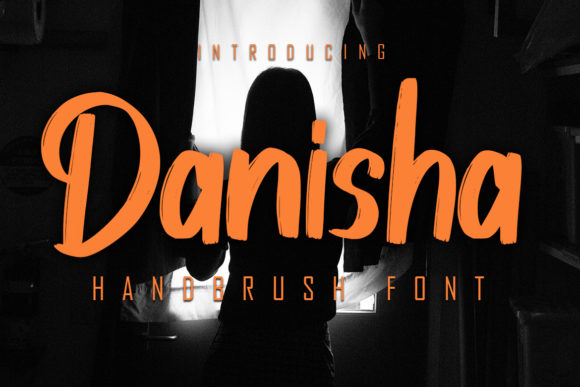
When selecting typography for a design project, the choice of font often dictates the tone, readability, and overall success of the visual communication. Danisha is a brushed display typeface that has gained attention for its unique character and distinct personality. Unlike standard serif or sans-serif fonts designed primarily for body text, Danisha occupies a specific niche within the market: playful yet assertive display work. Understanding what this font brings to the table requires looking beyond simple aesthetics and examining how it functions in real-world applications.
What Is Danisha?
Danisha is classified as a brushed display font. This categorization means it is optimized for headlines, titles, and short phrases rather than long-form reading. The "brushed" style refers to the stroke variation that mimics the look of ink applied with a brush or marker. These strokes typically feature varying thicknesses, slight irregularities, and textured edges that convey a sense of human touch and movement.
The font is described as having a casual yet assertive style. This duality is crucial for designers to understand. The casual nature comes from the loose, hand-drawn feel of the letterforms, which suggests approachability and creativity. However, the assertiveness is derived from the bold weight and confident structure of the characters. It does not shy away from making a statement; instead, it commands attention while maintaining a friendly demeanor.
Reasons to Consider Danisha
Designers often seek out Danisha when they need to bridge the gap between professional polish and creative spontaneity. There are several specific reasons why this typeface might be selected over other options.
- Human Connection: In an era of digital perfection, fonts like Danisha offer a necessary counterbalance. The subtle imperfections in the brush strokes make the content feel more authentic and less manufactured, which can increase engagement with audiences who value authenticity.
- Visual Hierarchy: Because it is a display font, Danisha excels at establishing hierarchy. When used for headlines, it immediately draws the eye without requiring additional graphical elements like boxes or lines.
- Versatility in Tone: While many brush fonts lean heavily into either "grunge" or "elegant," Danisha sits in a middle ground. It can work well for lifestyle brands, creative agencies, and event promotions where a balance of fun and authority is required.
Benefits and Tradeoffs
Every typographic choice involves a set of tradeoffs. Recognizing these early in the design process ensures that the final output aligns with the project's goals.
Benefits
The primary benefit of using Danisha is its ability to inject energy into a layout. It breaks the monotony of grid-based designs and adds a layer of texture that static fonts cannot provide. For projects targeting younger demographics or those in the creative industries, this energetic quality is often essential. Furthermore, the assertive nature of the font means that even small amounts of text can carry significant weight, allowing designers to communicate key messages concisely.
Tradeoffs and Limitations
However, the very features that make Danisha attractive also limit its utility. As a display font, it is generally unsuitable for body copy. Reading paragraphs of text in a brushed style can cause eye strain and reduce comprehension due to the high level of detail in each character. Additionally, because the font relies on a specific aesthetic, it may not pair well with all other typefaces. Finding a complementary secondary font that maintains the casual tone without competing for attention requires careful selection.
Another consideration is legibility across different media. Brush fonts can sometimes lose definition when scaled down for mobile screens or printed on low-resolution materials. The fine details of the brush strokes may blur or disappear, resulting in a muddy appearance. Designers must test the font at various sizes before committing to it for a multi-platform campaign.
Situations Where Danisha Is a Strong Fit
Danisha shines in specific contexts where its unique attributes enhance the message rather than distract from it.
- Lifestyle and Creative Branding: For blogs, magazines, or websites focused on arts, crafts, food, or travel, Danisha fits naturally. It reinforces the idea of a hands-on, personal experience.
- Event Marketing: Concert posters, festival flyers, and workshop announcements benefit from the assertive energy of the font. It conveys excitement and urgency effectively.
- Product Packaging: On packaging for artisanal goods, such as handmade soaps, craft beers, or organic snacks, Danisha can signal quality and craftsmanship. The brushed look suggests that the product was made by hand.
- Social Media Graphics: In the fast-paced environment of social media, images need to stop the scroll. A headline in Danisha can cut through the noise more effectively than a standard sans-serif font.
When Alternatives May Be Worth Considering
While Danisha is a powerful tool, it is not a universal solution. There are scenarios where a different typeface would serve the project better.
If the goal is maximum readability for technical documentation, legal contracts, or educational materials, a clean sans-serif or a highly legible serif font is a superior choice. The decorative nature of Danisha can undermine the seriousness required in corporate or financial communications. Similarly, if the brand identity needs to appear strictly modern, minimalist, or futuristic, the organic, hand-drawn feel of Danisha might clash with the desired aesthetic.
Furthermore, if the project requires extensive multilingual support, it is important to verify the language coverage of the font family. Many display fonts have limited character sets compared to system fonts. If the project targets a global audience with diverse languages, Danisha may not provide the necessary glyphs, necessitating a fallback option.
Practical Decision-Making Insights
To determine whether Danisha aligns with your specific goals, consider the following decision-making framework.
Define the Primary Function: Ask yourself if the text needs to be read quickly and efficiently (body) or viewed briefly and memorably (display). If the latter, Danisha is a strong candidate. If the former, it should likely be avoided.
Analyze the Audience: Who is consuming this content? An audience seeking entertainment or inspiration will likely respond positively to the playful style of Danisha. An audience seeking efficiency or authority might perceive it as unprofessional.
Test Contextual Pairings: Before finalizing the design, create mockups that combine Danisha with potential body fonts. Look for contrast. A clean, geometric sans-serif often pairs well with the organic curves of Danisha, creating a balanced composition that highlights the strengths of both.
Check Technical Constraints: Ensure that the file formats are compatible with your delivery platform. Web fonts require specific optimization to load quickly. If the font file is too large, it could impact site performance, leading to a poor user experience.
Determining Alignment With Your Needs
Selecting a font is ultimately a strategic decision based on the alignment between the typeface's characteristics and the project's objectives. Danisha offers a distinct blend of playfulness and assertiveness that can elevate a design from generic to memorable. However, its effectiveness depends entirely on context.
By understanding its limitations regarding body text and cross-platform legibility, designers can avoid common pitfalls. When used intentionally in headlines, logos, and promotional materials, Danisha can deliver results that resonate with viewers. It is a tool that adds confidence to a project, provided the designer respects its role as a display element rather than a general-purpose typeface.
In conclusion, evaluating Danisha requires a balanced view of its aesthetic appeal and functional constraints. For projects that demand a human touch and a bold voice, it remains a compelling option. For those prioritizing strict readability or formal neutrality, other solutions may be more appropriate. The key lies in matching the font's personality to the message you intend to convey.