Hairline Font: A Soft, Unique Display Choice for Creative Projects
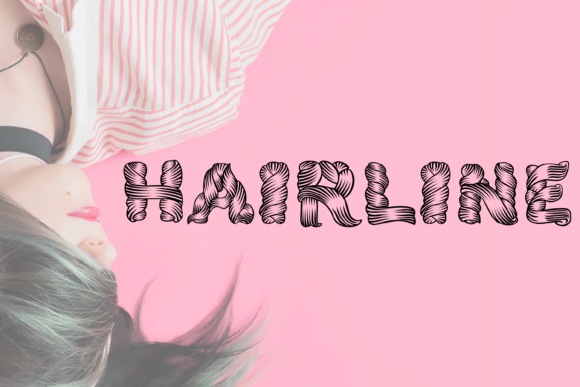
Design is often about the invisible details that make a project feel alive. When you are working on a layout that needs to convey elegance, femininity, or organic movement, standard sans-serif or serif fonts might fall flat. This is where Hairline steps in as a highly detailed display font that emulates curly hair. It is not just a typeface; it is a visual texture that brings a sense of softness and uniqueness to any design.
The concept behind this font is fascinating because it mimics the natural irregularity of human hair. Unlike geometric fonts that rely on rigid lines, Hairline uses fluid curves and varying stroke widths to create a look that feels tactile and approachable. For a designer, finding a typeface that balances readability with artistic flair can be a challenge, but this specific font offers a solution for projects requiring a touch of personality without overwhelming the viewer.
Understanding the Visual Identity of Hairline
To truly appreciate Hairline, one must look beyond the letters themselves. The font is engineered to replicate the chaotic yet harmonious nature of curls. Each character possesses a distinct personality, with strokes that twist and turn like strands of hair. This makes it an excellent choice for headlines, logos, or any text that needs to stand out while maintaining a gentle aesthetic.
The "curly" aspect of the design does not mean it is difficult to read. Instead, it adds a layer of sophistication. When used correctly, the font creates a mood that is both modern and timeless. It avoids the harshness of blocky fonts and the stiffness of traditional calligraphy, landing somewhere in between. This balance is what makes it so versatile across different industries, from beauty and fashion to lifestyle blogging and boutique branding.
Why Different Audiences Care About Typography
The value of a font like Hairline changes depending on who is using it. What matters to a professional graphic designer might differ significantly from what a small business owner or a hobbyist blogger prioritizes. Understanding these perspectives helps clarify why this specific typeface has gained attention in creative circles.
For Beginners and Hobbyists
Beginners often struggle with choosing fonts that look professional without being overly complex. They need tools that offer immediate impact. Hairline is particularly helpful here because it requires minimal effort to make a design look polished. A beginner creating a birthday invitation, a personal blog header, or a simple social media post can drop this font into their project and instantly achieve a unique look that generic fonts cannot provide.
The learning curve is low because the font handles the heavy lifting regarding style. Users do not need to spend hours adjusting kerning or pairing multiple fonts to get a cohesive result. The inherent detail in the curly design provides the visual interest that novices often seek but find hard to execute manually.
For Creators and Freelancers
Freelance designers and content creators operate under tight deadlines and high expectations for originality. They need assets that help them deliver unique results quickly. For these professionals, the flexibility of Hairline is a major asset. Whether they are designing a brand identity for a wellness coach or a poster for a local art event, the font's ability to adapt to different contexts saves time.
Creatives also value the emotional resonance of typography. Using a font that evokes softness and care can change how an audience perceives a message. If a freelancer is pitching a concept to a client in the beauty industry, showing a mockup with Hairline can effectively communicate the brand's values before a single word of copy is read.
For Business Owners and Entrepreneurs
Small business owners often wear many hats, including marketing manager and graphic designer. They need fonts that convey trust and quality without requiring a degree in design theory. For a salon owner, a boutique clothing store, or a handmade jewelry maker, the aesthetic of Hairline aligns perfectly with products that are crafted with care.
The commercial value lies in differentiation. In a crowded market, standing out is essential. Standard fonts blend together, but a display font with such a distinct character helps a brand establish a memorable visual identity. When a consumer sees packaging or a website logo featuring these curly, soft lines, they associate those qualities with the product itself—softness, quality, and attention to detail.
For Educators and Publishers
Educators and publishers looking to create engaging materials often face the challenge of making content accessible yet visually stimulating. While Hairline is primarily a display font and should not be used for long blocks of body text, it excels at capturing attention. Teachers can use it for chapter headings, worksheet titles, or presentation slides to make educational materials feel less sterile.
Publishers of magazines, newsletters, or e-books can utilize this font to break up monotony. It adds a human element to digital or print publications, reminding the reader that there is a person behind the content. This subtle connection can increase engagement and retention rates among readers.
Evaluating Priorities: Quality, Cost, and Long-Term Use
When selecting a font, several factors come into play. Quality is paramount; a font must render well at various sizes and on different screens. Hairline is designed with high detail, ensuring that the curly features remain crisp whether printed on a large banner or displayed on a mobile screen.
Cost is another consideration. Many high-quality display fonts come with significant price tags, but investing in a versatile font like this can be cost-effective over time. If a font serves multiple purposes—from a logo to a newsletter—it reduces the need to purchase additional assets. The long-term usefulness of a font depends on its versatility. Because Hairline conveys a specific mood rather than a specific trend, it is less likely to look dated in a few years.
Reliability and ease of use are critical for professionals. A font that crashes frequently or has missing glyphs is frustrating. High-quality fonts like Hairline typically undergo rigorous testing to ensure stability. Furthermore, the ease of integration into popular design software means that users can focus on creativity rather than technical troubleshooting.
Making the Right Choice for Your Project
Deciding whether to use Hairline comes down to your specific goals. If your project requires a bold, aggressive, or industrial feel, this font may not be the right fit. However, if you are aiming for something soft, unique, and organic, it is an excellent candidate.
Consider the context of your work. Are you designing for a luxury brand that wants to appear exclusive yet welcoming? Is your project a personal portfolio that needs to reflect your artistic side? Or perhaps you are creating marketing materials for a community-focused organization? In these scenarios, the visual language of curly, flowing lines can enhance your message.
Ultimately, typography is a tool for communication. By choosing a font that aligns with the emotional tone of your content, you ensure that your message resonates more deeply with your audience. Hairline offers a way to infuse designs with a sense of warmth and individuality that standard typefaces simply cannot match. Whether you are a seasoned pro or just starting out, having access to such a distinctive resource expands your creative possibilities.
As you explore your next design project, take a moment to consider how the right font can transform the entire piece. With Hairline, you have a powerful ally in creating visuals that are not only readable but also emotionally engaging. Its ability to emulate the natural beauty of curly hair makes it a standout choice for anyone looking to add a touch of softness and uniqueness to their work.