Iron Box: A Sharp Display Font for High-Impact Design
In a digital landscape saturated with generic sans-serifs and ornate script families, finding a typeface that commands attention without sacrificing readability is a persistent challenge. Iron Box enters this conversation not as another decorative novelty, but as a functional, high-contrast display solution designed for clarity and impact. It is a simple and sharp looking display font that will truly inspire your works by providing a structural backbone to bold ideas. For professionals seeking to elevate visual hierarchy, Iron Box offers a distinct aesthetic that bridges the gap between industrial utility and modern graphic design.
Defining the Character of Iron Box
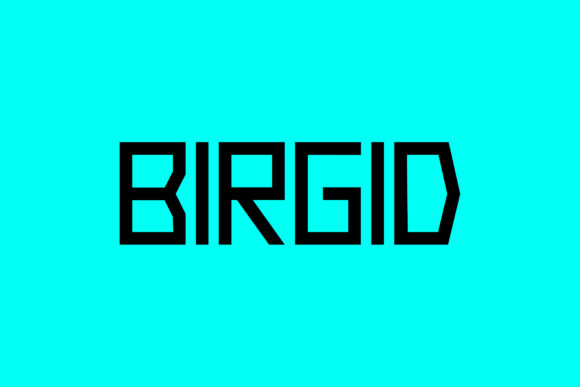
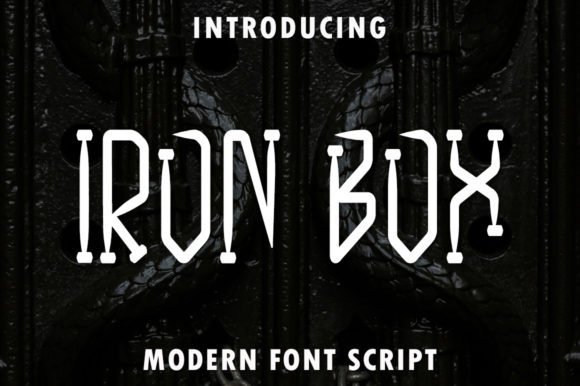
The core identity of Iron Box lies in its geometric precision and unwavering weight. Unlike variable fonts that rely on fluid transitions or organic curves to create interest, this typeface leans into rigidity. The letterforms are constructed with straight lines and sharp angles, creating a silhouette that feels engineered rather than drawn. This "simple" nature is deceptive; the simplicity is a result of deliberate reduction, stripping away unnecessary flourishes to leave only the essential structure of each character.
When you examine the anatomy of the font, the uniformity of stroke width becomes immediately apparent. There are no subtle variations in line weight that might soften the message. Instead, every vertical and horizontal line carries equal visual gravity. This characteristic makes it an ideal candidate for headlines where legibility from a distance is paramount. The sharpness of the terminals—the points where strokes end—adds a layer of aggression to the text, ensuring that it cuts through background noise effectively. Whether used in uppercase for maximum presence or lowercase for a more approachable yet still authoritative tone, the font maintains its structural integrity.
Key Characteristics and Visual Impact
- Geometric Construction: The letters are built on strict grids, offering a consistent and predictable rhythm across different word lengths.
- High Contrast: The stark difference between the thick strokes and the negative space creates a dynamic visual tension that draws the eye.
- Sharp Terminations: Angled ends provide a sense of direction and momentum, guiding the viewer's gaze across the layout.
- Minimalist Aesthetic: By avoiding serifs or complex ligatures, the font ensures that the content remains the focal point.
Practical Applications in Professional Design
The versatility of Iron Box extends beyond mere decoration; it serves specific functional roles in various design contexts. Its primary strength lies in its ability to establish immediate authority. For entrepreneurs and small business owners, typography is often the first non-verbal cue a customer receives about a brand's reliability. A logo or header set in Iron Box suggests stability, precision, and a no-nonsense approach to business.
Consider the scenario of a marketing campaign for a tech startup or a construction firm. In these industries, trust is built on competence and durability. Using a soft, rounded font might inadvertently signal fragility or playfulness, which could clash with the intended message. Iron Box aligns perfectly with sectors that value engineering, security, and efficiency. The font's industrial feel resonates well with automotive branding, fitness equipment, and financial services where solidity is a key selling point.
Beyond branding, the font proves highly effective in editorial design. Publishers and bloggers looking to break up long-form content can utilize Iron Box for pull quotes, section headers, or sidebar titles. Because the font is visually heavy, it acts as a natural anchor, preventing the reader from skimming past important information. When paired with a lighter body text, such as a classic serif or a neutral sans-serif, the contrast creates a sophisticated typographic hierarchy that enhances the reading experience.
Evaluating Usability and Workflow Integration
For freelancers and creative directors managing tight deadlines, the usability of a font family is just as critical as its appearance. Iron Box simplifies the decision-making process. Its limited stylistic options mean there is less time spent tweaking kerning pairs or selecting alternate glyphs. The consistency of the design reduces the cognitive load on the designer, allowing them to focus on composition and color theory rather than fighting the typeface itself.
However, like any specialized tool, Iron Box has limitations regarding its range of use. It is not designed for body copy. Attempting to set paragraphs of text in Iron Box would likely result in poor readability due to the lack of optical adjustments for smaller sizes. The sharp angles can cause rendering issues at low resolutions if not handled correctly, potentially leading to jagged edges on screen or ink traps in print. Therefore, its most effective application is strictly within the realm of display text—headlines, posters, banners, and large-format signage.
From a technical standpoint, the font's file structure appears optimized for both web and print environments. The clean vector paths ensure scalability, meaning a logo created in Iron Box can be resized from a mobile app icon to a billboard without losing definition. This flexibility is crucial for brands that need to maintain a consistent visual identity across diverse media channels. When exploring its endless possibilities, designers should consider how the font interacts with negative space. The wide spacing often inherent in blocky display fonts requires careful management to avoid creating awkward gaps that disrupt the flow of the design.
Strategic Recommendations for Implementation
- Prioritize Pairing: Always pair Iron Box with a highly legible, neutral typeface for supporting text. Avoid using two heavy display fonts together, as this creates visual competition.
- Control Scale: Use the font at larger sizes where its geometric details can be appreciated. At small sizes, the sharp corners may blur, diminishing the intended effect.
- Leverage Color: Since the shape is so strong, consider using bold colors or gradients to enhance the three-dimensional feel of the letters, or stick to monochrome for a stark, minimalist look.
- Test Across Devices: Verify how the font renders on different operating systems and browsers to ensure the sharp edges remain crisp and do not suffer from anti-aliasing artifacts.
Who Benefits Most from This Resource?
The audience for Iron Box is broad but specific in its needs. Graphic designers working on identity packages will find it invaluable for creating memorable logos. Marketers running paid advertising campaigns can leverage its high-impact nature to increase click-through rates by making headlines stand out in crowded feeds. Educators and publishers can use it to highlight key concepts in educational materials, ensuring that students notice the most important information.
Small business owners who handle their own branding will appreciate the font's ability to convey professionalism without requiring a degree in typography. The straightforward nature of the design means that even those with limited design experience can produce results that look intentional and polished. Similarly, serious hobbyists involved in DIY projects, such as creating custom merchandise or event signage, will find the font easy to work with and versatile enough for various themes.
Long-Term Value and Conclusion
In the ever-evolving world of design trends, some fonts become obsolete quickly, while others remain staples. The enduring appeal of Iron Box comes from its adherence to fundamental design principles rather than fleeting fads. Its geometric purity gives it a timeless quality that resists dating a project. As businesses continue to seek authentic and direct communication, the blunt honesty of this font's style remains relevant.
Ultimately, Iron Box is more than just a collection of characters; it is a tool for emphasis. It forces the viewer to stop and pay attention. For those willing to integrate it thoughtfully into their workflow, it offers a reliable way to communicate strength and clarity. By understanding its strengths and respecting its limitations, creators can unlock the full potential of this sharp, simple, and inspiring typeface. Whether you are launching a new venture or refreshing an existing brand, exploring the capabilities of Iron Box can lead to designs that are not only seen but remembered.