Discovering the Playful Charm of Bunny Boy: A Practical Guide for Creative Projects
In the vast landscape of digital typography, finding a typeface that strikes the perfect balance between whimsy and readability is often a challenge. Bunny Boy has emerged as a distinctive option for designers and hobbyists looking to inject personality into their work. This cute display font is specifically engineered to evoke a sense of childlike playfulness, making it an ideal candidate for projects targeting younger audiences or those aiming to convey warmth and friendliness. Unlike standard serif or sans-serif fonts that prioritize neutrality, Bunny Boy embraces a unique aesthetic that stands out in crowded visual environments.
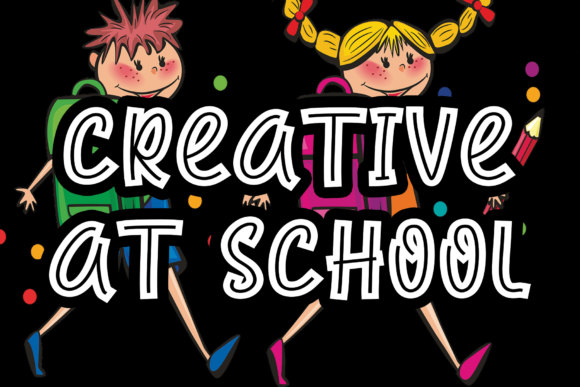
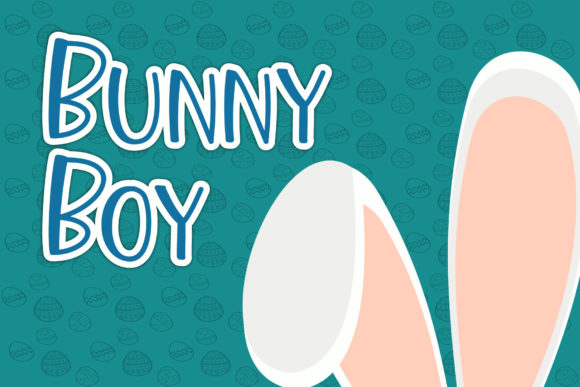
When evaluating a font like this, it is essential to look beyond mere appearance and consider how it functions within a design system. The distinct character of Bunny Boy lies in its rounded forms and slightly irregular strokes, which mimic the hand-drawn quality of children's illustrations. This organic feel allows it to brighten up any kids and school project with an immediate sense of approachability. Whether you are designing a classroom bulletin board, a birthday invitation, or a personalized logo, the font offers a level of charm that standard typefaces simply cannot replicate.
Understanding the Distinct Character of Bunny Boy
To understand why Bunny Boy fits certain projects so well, one must analyze its structural characteristics. As a display font, it is not designed for long-form body text but rather for headlines, titles, and short phrases where impact is key. The letterforms feature soft edges and a bouncy rhythm that suggests movement and joy. This makes it particularly effective for designs requiring a personalized style, such as Valentine s day cards, thank you cards, logos, greeting cards, and much more.
The font's versatility extends across various mediums. In digital contexts, it captures attention on social media graphics and email headers. In print, it adds a tactile quality to physical materials like stickers, labels, and party favors. However, its strength is also its limitation; because the characters are so stylized, they can reduce legibility if used in small sizes or dense paragraphs. Therefore, successful application requires strategic placement. It shines when used sparingly to highlight key information, creating a focal point that draws the eye immediately.
Comparative Analysis: Display Fonts vs. Standard Typefaces
When considering typography for creative projects, users often weigh the decision between using a standard utility font and a specialized display font like Bunny Boy. Standard fonts, such as Helvetica or Times New Roman, are built for clarity and efficiency. They are invisible tools meant to facilitate reading without drawing attention to themselves. In contrast, Bunny Boy is an expressive tool meant to be seen. It carries emotional weight and sets a specific tone before a single word is read.
Strengths of Bunny Boy:
- Emotional Connection: The playful nature of the letters instantly creates a friendly atmosphere, reducing the perceived distance between the brand and the audience.
- Visual Distinctiveness: In a sea of uniform corporate fonts, Bunny Boy offers immediate differentiation, ensuring that a logo or card stands out on a shelf or a screen.
- Thematic Consistency: For themes involving childhood, celebration, or creativity, this font provides a cohesive visual language that aligns perfectly with the subject matter.
Tradeoffs and Limitations:
- Readability Constraints: The decorative elements can make reading lengthy text difficult. It is not suitable for legal documents, technical manuals, or news articles.
- Tone Specificity: The font conveys a very specific mood. Using it for serious topics, such as financial reports or medical advice, would likely undermine the credibility of the content.
- Scalability Issues: At very small sizes, the intricate details of the "cute" style may blur or become indistinguishable, losing the intended effect.
Evaluating Use Cases: When to Choose Bunny Boy
Selecting the right typography involves matching the font's personality to the project's goals. Bunny Boy is an excellent choice when the primary objective is to evoke happiness, nostalgia, or innocence. Consider the scenario of a local bakery launching a new line of cupcakes. A standard, clean font might look professional, but it lacks the fun factor associated with sweets. Here, Bunny Boy can transform a simple sign into an inviting experience, suggesting that the products inside are just as delightful as the text on the window.
Similarly, in the realm of educational materials, this font can serve as a powerful engagement tool. Teachers and curriculum developers often struggle to make learning materials feel less formal and more engaging for young students. By incorporating Bunny Boy into worksheets, flashcards, or storybooks, educators can create a welcoming environment that encourages participation. The font acts as a visual cue that the content is safe, fun, and accessible.
For personal projects, the potential is equally vast. Crafting enthusiasts often seek fonts that add a handmade touch to their creations. Bunny Boy mimics the imperfections of hand-lettering, which is highly prized in the crafting community. Whether you are creating a custom gift tag for a wedding favor or a scrapbook layout for a family reunion, the font adds a layer of thoughtfulness that generic templates lack.
Alternatives and Decision Factors
While Bunny Boy is a strong contender for specific applications, it is not a universal solution. Designers should evaluate alternatives based on the specific nuances of their project. If the goal is to achieve a modern, minimalist aesthetic, a geometric sans-serif would be a more appropriate choice. If the project requires a classic, elegant feel, a script font with more traditional calligraphic roots might be better suited than the playful curves of Bunny Boy.
When comparing options, consider the following factors:
- Audience Demographics: Is the target audience children, parents, or a general adult crowd? Bunny Boy resonates strongly with children and adults who appreciate whimsy, but it may feel too juvenile for a corporate client.
- Medium of Delivery: Will the design be viewed on a mobile screen, printed on large signage, or used in a high-resolution brochure? Ensure the font remains legible and retains its detail at the required scale.
- Brand Voice: Does the font align with the existing brand identity? If a brand is known for seriousness and authority, introducing a playful font could create cognitive dissonance for the consumer.
It is also worth noting that many modern design suites offer a wide range of similar "cute" or "hand-drawn" fonts. Some may offer more extensive character sets, including special ligatures or alternate glyphs that allow for even greater customization. Users should explore these variations to see if they offer features that better suit their specific workflow. However, Bunny Boy remains a standout choice for its consistent theme and clear execution of the "bunny" motif, which adds a narrative element to the design itself.
Practical Application Strategies
To get the most out of Bunny Boy, designers should experiment with pairing it with complementary typefaces. Because the font is visually busy and expressive, it pairs best with neutral, simple fonts for supporting text. A clean sans-serif or a straightforward serif can provide the necessary structure to balance the whimsy of the headline. This combination ensures that the message is clear while still maintaining the desired aesthetic appeal.
Color plays a crucial role in enhancing the effectiveness of the font. Bright, saturated colors tend to amplify the playful nature of Bunny Boy, making it pop against white or light backgrounds. Conversely, using pastel shades can soften the impact, creating a gentle, soothing vibe suitable for baby showers or spring-themed events. The interaction between the font shape and color saturation is a critical component of the final design outcome.
Furthermore, context matters immensely. A logo created with Bunny Boy might work perfectly for a children's clothing line but fail miserably for a law firm. The same applies to greeting cards; while it is perfect for a birthday card, it might be inappropriate for a condolence note. Understanding the boundaries of the font's personality is just as important as understanding its visual properties.
Making the Final Choice
Ultimately, the decision to use Bunny Boy depends on the specific needs of the project. It is a tool that excels in situations where emotion and personality are paramount. If your goal is to connect with a young audience, celebrate a joyous occasion, or simply add a touch of magic to a design, this font is a valuable asset. However, if clarity, formality, and neutrality are the priorities, other options will likely serve you better.
By carefully weighing the strengths and limitations, and by considering the broader context of the design, users can make informed decisions that enhance their projects. Bunny Boy is not just a font; it is a stylistic choice that brings a specific energy to the table. When used correctly, it transforms ordinary designs into memorable experiences, proving that the right typeface can do more than just convey words—it can convey feelings.