Push the Button: A Strategic Approach to Design and Execution
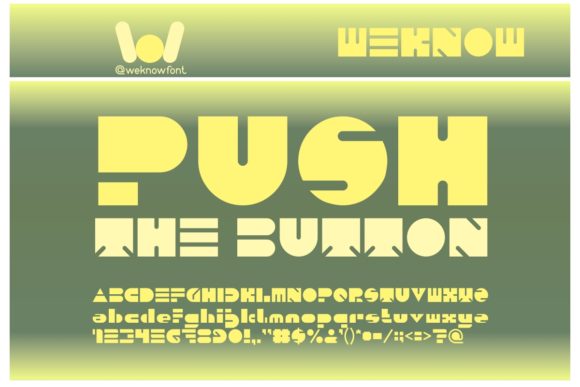
In the fast-paced environments where professionals, creators, and entrepreneurs operate daily, the difference between a good outcome and a great one often lies in the details of execution. While many tools focus on the mechanics of creation, few address the psychological trigger that initiates action. Push the Button is not merely a typeface; it is a visual command designed to bridge the gap between planning and doing. This cool, thick lettered, and assertive display font serves as a critical component in any workflow that demands clarity, authority, and immediate impact.
When you are managing a complex project, launching a marketing campaign, or organizing a learning activity, the need for decisive communication becomes paramount. Standard fonts often whisper their message, requiring the audience to lean in and decipher the intent. In contrast, Push the Button speaks with a voice that cannot be ignored. Its robust structure makes it ideal for posters, flyers, and print materials where the goal is to stop the scroll and demand attention. However, its utility extends far beyond simple aesthetics; it functions as a functional element within your broader design and operational strategy.
The Role of Assertive Typography in Workflow Efficiency
Understanding how Push the Button fits into a real-world process requires looking at the psychology of decision-making. Whether you are a small business owner finalizing a brand identity or an educator preparing a syllabus, the visual hierarchy of your materials dictates how users interact with your content. A cluttered interface or a document with weak typography can introduce friction, slowing down the user's ability to process information and take action.
This font acts as a catalyst for efficiency. By utilizing its thick, bold strokes, you create a visual anchor that guides the eye immediately to the most important information. Before you even begin the detailed work of layout, the presence of this font signals a shift from passive observation to active engagement. It transforms a static flyer into a call to action. For marketers, this means higher conversion rates on landing pages; for freelancers, it means clearer proposals that get signed faster. The assertiveness of the letters reduces cognitive load, allowing the audience to understand the core message instantly without unnecessary mental effort.
Integration Before the Project Begins
Effective implementation starts during the preparation phase. When planning a new venture, such as a product launch or a community event, the choice of typography should be made before the first asset is created. Push the Button excels in the conceptual stage because its personality sets the tone for the entire project. If your goal is to convey reliability, urgency, or strength, selecting this font early ensures consistency across all touchpoints.
- Brand Alignment: Ensure the weight and style match your organizational values. The thick lettering suggests stability and confidence, making it perfect for industries like finance, construction, or high-end consulting.
- Resource Planning: Identify where this font will be used most frequently. Will it appear on digital ads, physical signage, or internal documentation? Knowing this helps in budgeting for licensing and ensuring compatibility with various software platforms.
- Team Communication: Share the font file with your team members early. Establishing guidelines now prevents confusion later when different people try to interpret the visual language of the project.
By addressing these factors upfront, you eliminate the risk of rework and ensure that every stakeholder understands the intended impact of the design. This proactive approach aligns with best practices in project management, where clear definitions lead to smoother execution.
Executing the Vision During Active Workflows
Once the project moves into the execution phase, the role of Push the Button shifts from a strategic choice to a tactical tool. During the creative process, designers and content creators often struggle with balancing readability and impact. This is where the unique characteristics of the font shine. Its assertive nature allows it to stand out even when placed against busy backgrounds or complex layouts.
Consider a scenario where a publisher is creating a series of educational materials. They need to highlight key concepts, deadlines, or calls to action without overwhelming the learner. Using Push the Button for headers and critical data points creates a clear distinction between instructional text and actionable items. This separation improves the quality control of the material, ensuring that the most vital information is never missed.
Furthermore, this font interacts seamlessly with other design assets. Whether you are pairing it with minimalist photography or vibrant illustrations, the neutral yet strong geometry of the letters provides a stable foundation. It does not compete with images; rather, it frames them, giving the entire composition a sense of purpose. For bloggers and content creators, this means that their articles and social media graphics will maintain a professional standard that builds trust with their audience over time.
In business workflows, the font can be used to streamline decision-making processes. Imagine a dashboard or a report where the status of a project needs to be communicated quickly. Highlighting key metrics or warnings using this bold typeface draws immediate attention to areas requiring intervention. This visual cueing system enhances organizational efficiency, reducing the time managers spend searching for critical updates.
Navigating Compatibility and Technical Constraints
While the aesthetic appeal of Push the Button is undeniable, practical implementation requires attention to technical details. Different platforms and devices render fonts differently. To maintain consistency and quality, it is essential to test the font across various screen sizes and printing methods.
- Digital Optimization: Ensure that the web version of the font loads quickly and remains legible on mobile devices. Thick lettering can sometimes blur on low-resolution screens if not optimized correctly. Use web-safe formats like WOFF2 to guarantee crisp rendering.
- Print Considerations: When moving to print, verify that the ink coverage is appropriate. The thick strokes may require adjustments in spacing (kerning and tracking) to prevent ink trapping issues or muddy text on certain paper stocks.
- Accessibility Standards: Even bold fonts must adhere to accessibility guidelines. Ensure sufficient contrast ratios between the text and the background to accommodate users with visual impairments. The assertiveness of the font should never come at the cost of inclusivity.
Addressing these technical factors demonstrates a commitment to long-term use and professional standards. It shows that the designer has considered the full lifecycle of the asset, from creation to consumption.
Sustaining Impact Through Consistent Application
The true value of Push the Button emerges when it is applied consistently over time. In a world saturated with visual noise, consistency breeds recognition. When a user sees the distinct, thick lettering associated with your brand or project, they immediately recall the authority and clarity it represents. This reinforces the message and strengthens the relationship between the creator and the audience.
For hobbyists and productivity-minded users, integrating this font into personal systems can also yield surprising benefits. Whether you are designing a weekly planner, a workout poster, or a vision board, the act of choosing a font that commands attention can psychologically prime you for action. It turns mundane tasks into opportunities for focused effort. The visual reminder provided by the bold typography serves as a constant prompt to stay organized and motivated.
Moreover, exploring the endless possibilities of this font encourages experimentation. You might find that combining it with handwritten notes creates a dynamic contrast between structure and creativity. Or, using it in monochrome with subtle texture adds depth without sacrificing readability. These variations allow you to adapt the font to different contexts while maintaining a core identity.
Ultimately, the integration of Push the Button into your workflow is about more than just making things look good. It is about creating a environment where decisions are clear, actions are prompted, and outcomes are achieved. By treating typography as a functional tool rather than just decoration, you elevate the quality of your work and the efficiency of your processes. As you explore its potential, remember that the goal is to empower your audience to engage with your content meaningfully. In doing so, you transform a simple design element into a powerful driver of success.
Whether you are a professional marketer crafting a campaign, an entrepreneur pitching a new idea, or a freelancer delivering a final product, the right typographic choice can make all the difference. Push the Button offers the assertiveness needed to cut through the clutter and deliver your message with precision. Embrace its capabilities, integrate it thoughtfully into your plans, and watch as your projects gain the momentum they deserve.