Aspernatur: Integrating Bold Vintage Typography into Modern Workflows
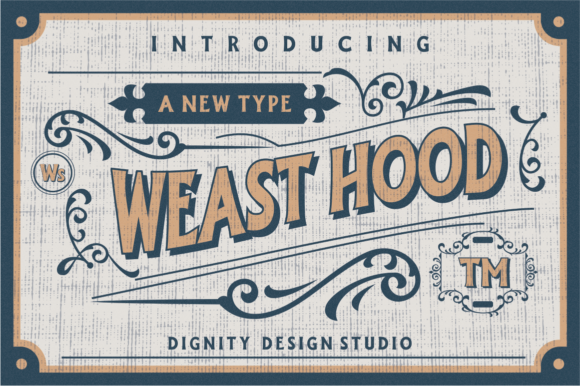
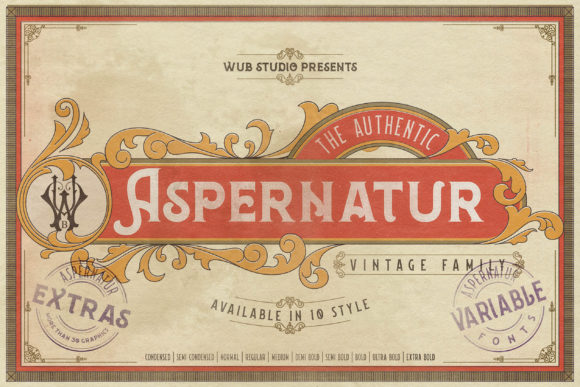
In a digital landscape dominated by clean lines, minimalism, and sans-serif uniformity, there is a distinct advantage to introducing elements that feel grounded in history. Aspernatur is not merely a typeface; it is a strategic asset for professionals who need to communicate strength, confidence, and dynamic energy within their projects. This vintage-styled display font reads as bold and confident, offering a unique ability to inject nostalgic character into designs without sacrificing modern legibility or professional polish.
For entrepreneurs, marketers, and creators aged 20 to 50, the selection of typography is often treated as an aesthetic afterthought. However, integrating Aspernatur requires a shift in perspective. It should be viewed as a functional component of your broader creative workflow, much like a project management tool or a color palette. Understanding where this font fits—before, during, or after the execution of a task—ensures that every design decision contributes to a cohesive narrative.
The Role of Aspernatur in Strategic Planning
Before opening any design software, the integration of Aspernatur begins with conceptual planning. When initiating a new brand identity, a marketing campaign, or a product launch, the visual tone must align with the core message. If the goal is to evoke reliability, heritage, or a "bold" market entry, Aspernatur serves as a foundational element in the initial briefing documents.
Consider the preparation phase of a business workflow. During the brainstorming stage, stakeholders often struggle to articulate the desired "vibe." A sample sheet featuring Aspernatur can bridge the gap between abstract concepts and concrete visual expectations. By placing this font in early mockups, teams can assess whether the nostalgic character resonates with the target audience before investing time in full-scale production.
This proactive approach prevents costly revisions later in the process. It ensures that the font choice supports the strategic objectives rather than clashing with them. Whether you are a freelancer pitching to a small business owner or a marketer launching a limited-edition product, establishing the presence of Aspernatur at the planning stage sets a clear standard for quality and consistency across all deliverables.
Compatibility and Asset Management
Once the decision to use Aspernatur is made, the focus shifts to technical compatibility and organization. A robust workflow depends on seamless interactions between tools. Before implementation, verify that the font files are compatible with your primary design platforms, such as Adobe Creative Cloud, Figma, or Canva. Inconsistent rendering across devices can undermine the confidence and strong impression the font is designed to convey.
Organize your digital assets effectively. Create a dedicated folder within your project directory specifically for Aspernatur. Include variations, weights, and license documentation to ensure that team members or collaborators can access the correct resources immediately. This level of organization reflects efficiency and professionalism, traits that are essential for productivity-minded users managing multiple concurrent projects.
- File Formats: Ensure you have both .OTF and .TTF versions to maximize browser and software support.
- License Compliance: Keep track of usage rights, especially if distributing work to clients or publishing online.
- Version Control: Maintain a backup of the original font file to prevent corruption or accidental deletion during long-term use.
Implementation During the Creative Process
The true power of Aspernatur is realized during the active creation phase. Unlike subtle body fonts used for paragraphs, Aspernatur is a display typeface intended to command attention. It excels in headlines, headers, posters, and logo lockups where impact is paramount. However, its application requires discipline to avoid overwhelming the viewer.
When working on a website redesign, for instance, use Aspernatur sparingly to anchor key sections. A bold header using this font can guide the user's eye through the content hierarchy, creating a dynamic flow that feels both retro and contemporary. The font's strong structure pairs well with modern grid systems, allowing you to maintain alignment while introducing stylistic flair.
In video production or social media content creation, Aspernatur can serve as a powerful tool for title cards and lower thirds. Its nostalgic character adds a layer of authenticity that audiences often find engaging. When editing footage, consider how the font interacts with motion graphics. The bold strokes of Aspernatur hold up well against fast-paced transitions, ensuring readability even when animated.
It is crucial to balance the intensity of Aspernatur with lighter, more neutral typefaces. A common mistake in workflow execution is overusing display fonts, which leads to visual fatigue. Pair Aspernatur with clean sans-serifs for body text to create a harmonious contrast. This combination leverages the strengths of both: the confidence of the vintage style and the clarity of modern utility.
Quality Control and Consistency Checks
As you move from drafting to finalizing, rigorous quality control becomes essential. Check how Aspernatur renders on different screens and print materials. Vintage styles often feature intricate details that may disappear at smaller sizes or on low-resolution displays. Test the font at various point sizes to ensure the character remains distinct and legible.
Consistency is another critical factor. Ensure that kerning, tracking, and line height remain uniform across all applications of the font. Inconsistencies in spacing can detract from the strong, confident image the font aims to project. Use style guides or master pages in your design software to enforce these standards automatically.
- Resolution Testing: Verify visibility on mobile devices, tablets, and high-DPI monitors.
- Print Proofing: Request physical proofs to check ink coverage and stroke weight accuracy.
- Brand Alignment: Confirm that the font's personality matches the established brand voice.
Post-Project Integration and Long-Term Value
The lifecycle of a project does not end upon delivery. The decisions made regarding Aspernatur have long-term implications for brand recognition and asset longevity. Once a project is complete, document how the font was utilized. Note which combinations worked best and which areas required adjustment. This data becomes invaluable for future workflows, reducing the time spent on trial and error for subsequent campaigns.
For educators and bloggers, Aspernatur offers a way to differentiate content in a saturated market. By consistently applying this font to article titles or course headers, you build a recognizable visual identity. Over time, this consistency fosters trust and familiarity among your audience. The nostalgic character acts as a signal of authenticity, distinguishing your work from generic templates.
Furthermore, integrating Aspernatur into a library of reusable assets allows for rapid deployment of new materials. Small business owners and freelancers often face tight deadlines. Having a pre-configured set of templates that utilize this font enables quick turnaround times without compromising on design quality. This efficiency translates directly to better resource allocation and higher client satisfaction.
Collaboration and Handoff
In collaborative environments, clear communication about font usage is vital. When handing off files to developers or other designers, specify exactly where Aspernatur should be applied. Provide web-safe fallback options if the font cannot be embedded, ensuring the design maintains its integrity even if the specific typeface is unavailable on the user's device.
Documentation should also include guidance on the emotional impact of the font. Explain to the team why Aspernatur was chosen and what message it conveys. This shared understanding ensures that everyone involved in the project contributes to a unified vision. It transforms the font from a mere visual element into a strategic tool that drives the project forward.
Maximizing Outcomes with Intentional Design
The ultimate goal of integrating Aspernatur is to enhance the overall outcome of your work. Whether you are designing a brochure, a website, or a presentation, the font should serve a purpose beyond decoration. It should reinforce the message, guide the user experience, and leave a lasting impression.
By treating typography as an integral part of your workflow, you elevate the quality of your output. The bold, confident nature of Aspernatur brings a sense of authority to your projects, making them stand out in a crowded marketplace. It is a choice that signals to your audience that you value tradition, craftsmanship, and dynamic expression.
As you continue to refine your processes, remember that flexibility is key. While Aspernatur is a powerful tool, it is most effective when used with intention and adaptability. Regularly evaluate its performance in different contexts and adjust your approach based on feedback and results. This iterative process ensures that your use of vintage typography remains relevant and impactful in an ever-evolving digital world.
Ultimately, the successful integration of Aspernatur relies on a deep understanding of both the tool and the context in which it is used. By focusing on practical implementation, compatibility, and consistent quality, you can harness the nostalgic character of this font to create designs that are not only visually striking but also strategically sound. For professionals seeking to add depth and personality to their work, Aspernatur represents a reliable and versatile addition to the modern toolkit.